0
Now we set off towards idyllic Olbergåsen, which takes about an hour if you drive from Oslo. The trip takes you away from the city's busy streets and out towards quieter surroundings, where the landscape opens up and the pace gradually slows down. Along the way, you will experience how the buildings change – from dense urban structure to green residential areas, forests and open landscapes. It is precisely this transition that many people appreciate: the proximity to the city, combined with the feeling of more space, peace and nature. Olbergåsen is an example of this balance. Here, new homes are being developed with a focus on good neighborhoods and practical solutions in everyday life – as OBOS has done for generations, with the goal of creating safe and attractive places to live. All the points on the trip can be played whenever you want, but are best experienced just as you pass them. Enjoy your trip – and perhaps also a good choice.

Here, between treetops and open landscape, a new neighbourhood is taking shape – with Norway’s longest river, the Glomma, as its neighbour. Calm, wide and always in motion. Nature surrounds you, forming a quiet frame around the everyday life to be lived here. Olbergåsen is not placed in the middle of city noise. It sits slightly elevated. A little freer. With views, air and light playing the leading roles. When the sun hangs low over the river, the sky glows in warm tones. In winter, snow settles softly on rooftops and trees, giving the area a gentle stillness. Homes are being built here for different stages of life – for first-time buyers, for families who need more space, or for those seeking something new and simpler. Shared areas are designed for meeting places, for play, for small conversations over the hedge and safe steps toward a neighbour. Perhaps this is what defines Olbergåsen: A feeling of living close to nature, yet close to life.

Lift your gaze for a moment. From Olbergåsen, the landscape opens up and light moves freely across the area. Morning sun glides over the treetops, afternoon light reflects in the Glomma, and winter casts a soft blue veil over the surroundings. Here you can follow the seasons closely – spring’s first green shoots, long summer evenings, autumn’s warm colours and winter’s quiet calm. Living here is not just about walls and a roof, but about views. Indoors, you are private – in your own rhythm, at your own pace. Outdoors, you meet nature, the light and the friendly neighbours who share the same community. Olbergåsen is being developed as a complete residential neighbourhood with around 600 homes when fully completed. Apartments, terraced houses and linked detached homes will form a varied and vibrant living environment. Different housing types allow for different life stages – brought together in one thoughtfully designed whole. Here, you get the best of two worlds: nature right outside your door, and proximity to urban facilities when you need them. With walking distance to kindergarten, school and grocery stores, everyday life becomes practical and easy – while the landscape and light offer room to breathe.

In Olbergåsen, between the homes, a dedicated space has been created for play, laughter and small adventures. Here, sand becomes cakes, swings soar toward the sky, and bicycles circle safely on firm ground. Can you hear it? Children calling to each other. Laughter mixing with the wind in the treetops. And perhaps, as evening settles, an owl hooting from the forest edge. Benches surround the playground, placed so adults can sit, watch and chat at the same time. This is where people meet. Before dinner. After work. On weekends. Small conversations that grow into neighbourly bonds. Olbergåsen is designed with safe movement in mind. Quiet internal roads, short distances and natural meeting points allow children to move freely while maintaining a clear overview. The structure of the neighbourhood creates space – both for play and for community. For many, this place becomes more than a playground. It becomes the heart of the neighbourhood.

We now set course for the idyllic Olbergåsen, about an hour’s drive from Oslo. The journey takes you from the city’s busy streets into calmer surroundings, where the landscape opens up and the pace gradually slows down. Along the way, you’ll notice how the surroundings change – from dense urban structures to greener residential areas, forests and open landscapes. This transition is exactly what many people appreciate: being close to the city, while enjoying more space, peace and nature. Olbergåsen is a good example of this balance. New homes are being developed here with a focus on strong communities and practical everyday living – just as OBOS has done for generations, with the goal of creating safe and attractive places to live. All points along the route can be played at any time, but are best experienced as you pass them. Enjoy the journey – and perhaps also a good choice.

We are now passing Helsfyr – an area with a name that sparks curiosity. The name likely comes from old German expressions meaning “hell’s fire,” possibly referring to a place known for noise, rough activity, or even a bad reputation in earlier times. Today, the contrast is striking. Helsfyr is one of Oslo’s most important transport hubs, where roads, metro lines and workplaces meet in a vibrant area just outside the city center. Development here has been rapid, giving the area a completely new identity. This kind of transformation is no coincidence. For nearly a hundred years, OBOS has helped shape residential areas in and around Oslo. Since its founding in 1929, the goal has remained the same: to make it possible for more people to live well, safely and practically – in areas that evolve over time. As you continue out of the city, you are in many ways following that same movement – from dense urban life to new residential areas built around balance and livability.

Here from the new Rånosfoss bridge, you have a good view of the area and the Glomma River. This is Norway's longest river, over 600 kilometers long, and it has shaped the landscape here for generations. The water flows calmly past, wide and heavy, but with a force that has been crucial for settlement and industry in the area. To the south lies Rånåsfoss power plant, one of the larger hydroelectric power plants in Glomma, which has produced electricity for thousands of homes since the early 20th century. The river has been both a transport route, a workplace and a food bowl. Today, it gives the area an open horizon, rich nature experiences and a sense of space, halfway between residential areas and everyday life.

We are now passing Karihaugen, an area that marks the transition between Oslo and the surrounding municipalities. From here, Lørenskog lies to the west, with growing residential areas and shopping centers, while Høybråten lies to the east – a quieter area characterized by detached homes and green surroundings. Karihaugen is also an important traffic hub, where several roads meet and guide traffic out of the city. This makes it a natural link between urban Oslo and the expanding suburbs. From this point, Olbergåsen is roughly a 30-minute drive away, as the surroundings gradually become more open and residential. As you pass through here, you are quite literally moving between two worlds – from the urban to the more open, slower-paced landscape ahead.

Vi passerer snart Rånåsfoss bru – en av Norges første myke hengebroer. Brua åpnet i 1927 og var den gang landets lengste hengebro. Den var tidligere en viktig veiforbindelse i området, men etter at Ny Rånåsfoss bru ble åpnet i 1989, brukes den gamle brua som gang- og sykkelbru. I dag er den tatt med i Nasjonal verneplan for veger, bruer og vegrelaterte kulturminner. Her kan du gå over Glomma til fots og virkelig studere både konstruksjonen og landskapet rundt. Like ved ligger Rånåsfoss kraftverk. Anlegget har en årsproduksjon på rundt fem hundre og seksti gigawattimer – nok strøm til omtrent tretti tusen boliger. Fra brua kan du se vannet som ledes gjennom anlegget og fosser ut igjen med kraft og buldring fra de store turbinene – et møte mellom naturens energi og moderne teknologi.

Ahead of us is Hvamskrysset, where you can choose between two routes towards Rånåsfoss. If you take the exit towards RV 22, you’ll head in the direction of Kjeller, Lillestrøm, Fetsund and Sørumsand, eventually following the Glomma river. This route offers close contact with the river landscape and its history of timber floating, and brings you to Olbergåsen in about 35 minutes. If you continue straight on the E6 towards Frogner, you’ll get a more direct and efficient drive through open farmland and established towns. From here, Olbergåsen is just over 25 minutes away. Both routes lead to the same destination, but offer slightly different experiences along the way. Nearby, you’ll also find Olavsgaard, a well-known conference center, and Hellerudsletta, home to X Meeting Point – a modern venue for exhibitions and events, formerly known as Exporama. This is also where OBOS has its regional office.

We now arrive at Rånåsfoss station. The trains on the Kongsvinger Line stop here, and are an important commuter line between Oslo and Kongsvinger. From the platform, it takes just over half an hour to get to Oslo S. Sørumsand is only eight minutes away, and in the opposite direction, it takes about four quarters of an hour to get to Kongsvinger. For those of you who live on Olbergåsen, the station is just a short walk away. This provides flexibility in your everyday life, whether you are commuting to work, meeting friends in the city or continuing towards Gardermoen via Oslo. The station may be small, but it represents something big: freedom of choice. The opportunity to live quietly and greenly, and at the same time be close to the region's most important hubs.

Do you like to swim? Here is Rånåsfoss Familiebad, or simply Badern, as most people call it. An outdoor swimming facility that has been a popular gathering place since 1961. On warm summer days, the area is filled with families with children, laughter and the sound of water splashing against rocks and walls. The pool is partly built of natural stone and rock with a separate children's area that is safe and clearly visible with a lifeguard. Badern has previously been voted the finest swimming spot in Romerike. Having such a place in the local area means more than you might think. A spontaneous afternoon in the sun. The children who don't want to get out of the water. Little summer moments, and it's just minutes from your home.

We are now approaching Kjeller – an area with a unique place in Norwegian history. Here lies Kjeller Airport, one of the oldest in Norway, established in the early 1900s. For many years, this was a center for military aviation, playing an important role in the development of Norwegian aircraft technology. Today, much of that legacy continues through research and high-tech industries. Kjeller is also known as one of the country’s key knowledge hubs, with research institutions and technology companies working on energy, environment and future solutions. At the same time, the area is located close to both Lillestrøm and open landscapes, creating an interesting blend of technology and nature. As you pass Kjeller, you are moving through a place where aviation history and modern innovation meet.

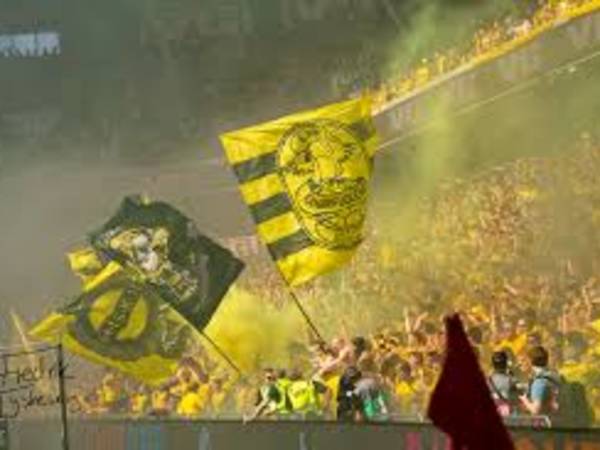
Have you heard of Kanarifansen? Not people who like canaries – but the supporters of Lillestrøm Sportsklubb, one of Norway’s most historic football clubs. We are now passing Lillestrøm and Åråsen Stadium. The city has developed into an important hub in the Romerike region, with close connections to both Oslo and Gardermoen. Lillestrøm is known for more than football. It is home to Norges Varemesse, one of Norway’s largest exhibition and conference venues, attracting visitors from across the country. The city also offers a lively center with shops, restaurants and cultural activities. Still, football plays a big role here. Lillestrøm Sportsklubb, often called LSK, wears yellow and black, and its loyal supporters – Kanarifansen – bring energy to the city, especially on match days. From here, it’s roughly a 30-minute drive to Olbergåsen. As we pass through Lillestrøm, you may notice that energy – a mix of history, activity and local pride.

Her, bare noen steinkast unna Olbergåsen, ligger idrettsplassen på Rånåsfoss. Anlagt av kraftverket i 1979, er dette en stor og åpen grusbane med to fotballmål – enkel, men full av liv. Om sommeren brukes banen til ballspill og uorganisert lek. Her møtes barn og ungdom spontant, spiller kamp til det blir mørkt og kjenner støvet fra grusen under skoene. Når vinteren kommer, forvandles plassen til skøytebane. Isen sprøytes, lysene tennes, og latteren bærer gjennom den klare kvelds¬luften. Ved siden av banen står den lille varmebua – skøytebua, hvor utstyr oppbevares og hvor man kan trekke inn for å varme fingrene. Like ved finner du grillbua, satt opp av Rånåsfoss vel. Her kan du sitte på benker rundt bålgrillen, fyre opp med medbrakt ved å treffe naboer. Det er enkelt, sosialt og populært – særlig på kalde vinterkvelder. Små steder. Store minner.

We are now approaching Fetsund, and as you drive onto the bridge, the landscape opens up around you. Below flows the Glomma River – Norway’s longest river – which has been a lifeline for transport and development for centuries. Look out of your window, both to the right and left, and you may spot long wooden structures in the water. These are the log booms – remnants of what was once a crucial part of Norwegian industry, where timber floating down the river was collected and sorted. Fetsund was a key hub in this system, connecting inland forests with sawmills and exports along the coast. From here, Olbergåsen is about a 25-minute drive away, depending on your route. Today, the area also offers recreational opportunities. Nearby you’ll find Hvalstjern ski stadium, a popular starting point for outdoor activities year-round, and Heia beach – a peaceful spot by the water on warm days. As you cross the bridge, you are surrounded by a landscape where nature and history still flow side by side.

Romerike Sparebanken Arena is a modern and relatively new sports facility that has become an important gathering point in the area. The arena is run by Haga IF, which is the local sports team with long traditions and which has an extra large commitment to children and young people. Here it is not only about competition, but also about community, mastery and belonging. Inside the hall you hear the characteristic sound of balls bouncing on the floor, sneakers sliding across the parquet, cheers from the stands and the referee's whistle cutting through the room. There is a faint smell of wood, sports tape and never-so-little sweat. For many children in the area, this is the place where friendships are formed and self-confidence is built. Training several evenings a week. Matches on the weekends. Parents on the sidelines. Having such an offer close by not only provides security in childhood, but also a vibrant local environment all year round.

Have you heard of “Tertitten”? We are now passing through Sørumsand, where the historic railway known as Tertitten is one of several local highlights. Here, residential areas, shops and leisure activities come together, closely connected to the nearby river. Across the Glomma lies Bingen log booms, one of the best-preserved timber floating facilities in Europe, where logs were once sorted before continuing downstream. Sørumsand offers experiences for all ages. The narrow-gauge railway Tertitten gives a glimpse into the past and is especially popular with families. Nearby, you’ll also find Bingsfoss power station, harnessing the energy of the river to produce electricity. From here, it’s just over a 10-minute drive to Olbergåsen. For those who enjoy outdoor activity, there are mountain biking trails and recreational areas, while Kuskerudnebben outdoor pool offers swimming and relaxation. The local boat association keeps river life active. Sørumsand is a place where the river still defines both history and everyday life.

Have you ever dreamed of becoming a professional footballer? Here at Haga Stadium, children and young people gather several evenings a week. Football boots are laced up, teams are trained and coaches shout encouragement from the sidelines. The pitch is an important meeting place, not only for goals and points, but for friendship and mastery. The area also offers handball, gymnastics and other organised activities. The sports teams create structure in everyday life and a sense of belonging in the local community. Here children learn cooperation, discipline and the joy of being part of a team. For families, the proximity to such facilities means something very concrete: short drives, safe surroundings and an active growing-up environment. Maybe not everyone starts out as a professional. But many dreams start right here.

Trees, trees and more trees! Have you ever wondered how many trees there are in Norway? The answer is: billions. Forests cover around 40 percent of the country, and much of it lies in the areas you are driving through now. Spruce and pine dominate, standing dense and tall, and have been among Norway’s most important natural resources for centuries. Along this road, you are also following the traces of one of the most efficient transport methods of the past: timber floating. Logs were sent downstream, and the Glomma River – nearby – was the main artery. Huge quantities of timber were transported from inland forests towards the south. The river was not just a transport route. It powered sawmills and industry, and shaped settlements along its banks. As you continue, you are surrounded by a landscape where nature is not only beautiful – it has been the driving force of Norwegian history.

Hungry? Here at Auli Center you will find what you need for your daily life, grocery store, pharmacy, services and small errands all in one place. It may not be big, but that is exactly the point. A short way in. A short way out. An efficient stop on the way home from work or before dinner is to be cooked. Outside, bicycles are leaning against the wall. Inside, the smell of freshly baked bread, pizza and fresh coffee fills the air. Shopping carts are filled, neighbors meet between the shelves, and small talk goes on in the queue at the checkout. For those of you who live on Olbergåsen, this means simple logistics. Everyday life does not need to be planned far in advance. Most things are within a short distance – practical, accessible and clearly arranged. Sometimes it is precisely proximity that makes life a little easier.

Do you like fishing? The Glomma is actually a very popular fishing river. Species such as pike, perch, trout and grayling are found here, and many locals make the trip down to the riverbank with a rod and thermos. Some hunt for the big catch. Others just enjoy the calm, the sound of the water and the feeling of the line gliding through the air. But what really happens when the fish meet the power plant? A special fish ladder has been built at the Rånåsfoss power station. It makes it possible for the fish to swim past the power plant and further up the river to spawn. The fish ladder leads the fish safely past the obstacle – an important measure to preserve life in the river. This is how nature and technology meet again. Power production on one side – and a living river on the other. Perhaps it is precisely here, on a quiet evening along the banks, that you can feel why so many people enjoy Glomma.

Frogner (RV 171) We are now passing the village of Frogner – a calm and well-functioning area where much of everyday life is gathered in one place. Here you’ll find Frogner school and cultural center, which offers more than just education. It also serves as an important meeting place, with rehearsal rooms, a stage and activities that bring together children, youth and adults. Nearby is Frogner sports complex, an active area with year-round activities, as well as Frogner library, part of the Lillestrøm library network. If you’re feeling hungry, Frauna Restaurant is a well-known stop, offering quality meals and catering services. At the same time, the rest of the world is within easy reach. Gardermoen Airport is only about 15 minutes away, making Frogner a practical base – whether your daily life is local or your journey continues further.

We are now passing Lørenfallet, a small settlement with a story reflected in its name. Originally, the place was called Løren, derived from leire (clay) and vin (meadow or field) – meaning “the clay plain.” The name changed after a major landslide in 1794, after which the area became known as Lørenfallet, referencing the dramatic event. Today, Lørenfallet is a quiet local community with practical services for everyday life. Here you’ll find a veterinary clinic for your four-legged friends – an important resource for many residents. Nearby is also Meierigaarden, a popular restaurant and event venue for dinners, celebrations and social gatherings. From here, Olbergåsen is just about a 10-minute drive away. A small place – with a history that still leaves its mark.

Around Rånåsfoss and Auli, nature is always within reach. Here you will find marked hiking trails that wind through the forest and along the Glomma. The riverbank offers quiet strolls with views over the water, while the forest areas offer more sheltered paths for both jogs and Sunday walks with the family. In winter, the illuminated trail is put into use. When the snow settles, ski tracks are driven, and the evenings are filled with headlamps and the sound of skis sliding through the snow. The illuminated trail provides opportunities for activity even after darkness has fallen, and is a popular offer for both children and adults. This is everyday outdoor life in practice. A short walk after dinner. A ski trip before the weekend starts. Nature is not something you have to travel to, it starts right outside your door.

We are now driving through Auli. This is an established settlement with a quiet and clear structure. Here you will find residential areas, schools, kindergartens and grocery stores all within short distances. This makes everyday life easier – whether you are delivering to kindergarten, shopping for work or sending the children to visit friends in the neighborhood. Auli has grown over time, but has retained the small town feel. Here people greet each other. Here children meet on their way to training. Here people walk to and from the station with their backpacks over their shoulders. For those of you considering Olbergåsen, the proximity to Auli means something concrete: You live in quiet surroundings – but have everyday functions close by. Practical, clear and safe.

Are you afraid of heights – or do you enjoy challenging that feeling? We are now passing Sørvald, and nearby you’ll find the Høyt og Lavt climbing park. Here, both children and adults can test their balance in the treetops, move between platforms and feel the thrill of being high above the ground. The courses vary in difficulty, making it suitable for both beginners and experienced climbers. At the same time, the area also offers quieter surroundings. Sørvald care and nursing center is located here, providing important healthcare services and contributing to a sense of safety in the community. The contrast is clear – from calm everyday life to activity and adventure – all gathered in one place.

We are now passing the area of Sorknes and Hekseberg, where the landscape opens up with farmland and scattered buildings. Ahead, we approach the exit to RV 171. Here you can turn off towards Frogner, Sørumsand and further on to Olbergåsen. From this point, it’s a little over 20 minutes to reach your destination. This is a natural choice if you prefer a quieter drive through smaller towns and open landscapes, with proximity to both forest and river. Gardermoen Airport is only about 10–15 minutes further along the E6 if you continue straight ahead.

We are now approaching the junction between RV 171 and RV 173 and Olbergåsen is just a few minutes away. Here, you can turn onto RV 173 towards Rånåsfoss, Auli and Olbergåsen – a road that leads you into quieter surroundings and closer to your destination. RV 171 continues towards the E6 in a southbound direction, while the other direction leads you towards Sørumsand and Lillestrøm to the east.