

Ferry test
0
Jadrolinija <3
Audio guides available in:English (British), Hrvatski
0
Jadrolinija <3

Poljud Stadium, officially known as Gradski stadion Poljud, is located in the city of Split, Croatia. It was opened in 1979 for the Mediterranean Games. The stadium is famous for its unique architectural design. Its roof resembles a seashell or a sea wave, perfectly matching the nearby coastline. Poljud was designed by architect Boris Magaš and is considered a masterpiece of modern architecture. Poljud is the home stadium of HNK Hajduk Split, one of the oldest and most successful football clubs in the region. The stadium has a capacity of around 34,000 spectators. Hajduk’s fans, known as Torcida, are famous for creating one of the most passionate atmospheres in European football. In addition to football matches, Poljud has hosted major concerts, athletics events, and international sports competitions. The stadium also includes the Hajduk Museum, where visitors can explore the rich history of the club. More than just a stadium, Poljud is a symbol of Split, representing the city’s strong connection to sport, the sea, and local identity.
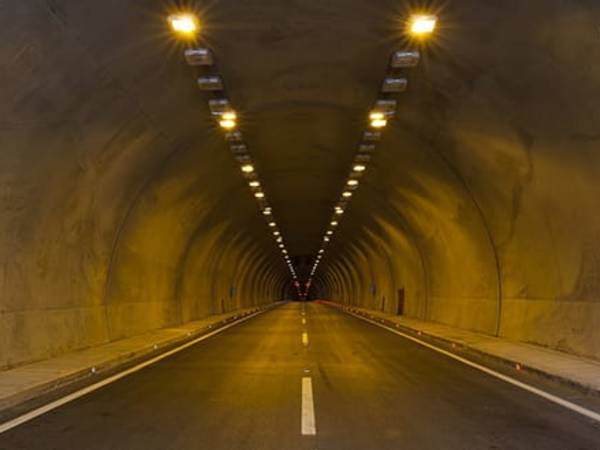
Beneath the iconic Marjan Hill in Split lies a fascinating tunnel that dates back to World War II. Originally constructed as a shelter for locals and a strategic military site, this underground passage has become a hidden gem for visitors. The tunnel stretches approximately 350 meters, winding through the earth and showcasing impressive stonework and historical significance.

Stretching gently along the Adriatic Sea, the West Coast of Split, known as Zapadna obala, is where the city slows its pace and turns toward the horizon. Just steps away from the ancient walls of Diocletian’s Palace, this modern promenade offers a quieter, more reflective side of Split. Beneath your feet lies smooth white Brač stone, glowing softly in the Mediterranean sun. To your right, the sea opens wide — calm, blue, and timeless — dotted with elegant yachts resting in the marina. To your left, the city rises, blending centuries of history with contemporary life. As you walk, you may notice bronze plaques embedded in the stone. These honor Olympic medalists from Split, reminding visitors that this city is not only shaped by emperors and sailors, but also by athletes whose achievements reached the world stage. The West Coast is especially magical at sunset, when the sky turns gold and crimson, and the sea reflects the fading light. Locals pause here, couples stroll slowly, and the sounds of the city soften into the rhythm of waves. More than a promenade, the West Coast is a place to breathe, to reflect, and to feel the deep connection between Split, the sea, and the lives shaped along this shore.
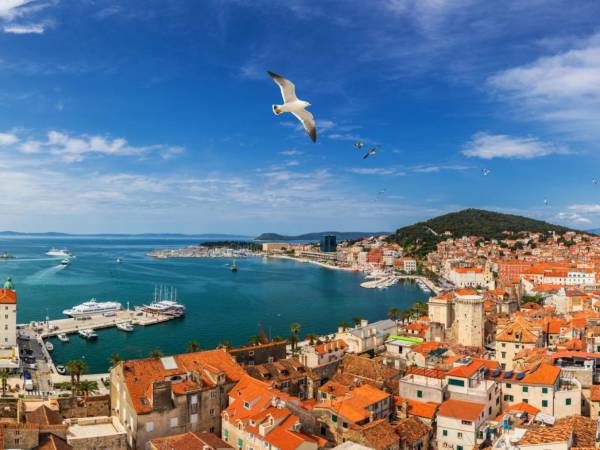
As we slowly approach Split harbor, take a moment to look ahead at the city — this view tells the story of Split better than any postcard. Split is one of the oldest continuously inhabited cities on the Adriatic coast, with a history stretching back more than 1,700 years. Its story begins when the Roman emperor Diocletian chose this coastline as the place to build his retirement palace. Over time, people moved into the palace itself, transforming imperial walls into homes, streets, and squares — something almost unique in the world. From the sea, you are seeing Split much as travelers, merchants, and sailors have seen it for centuries. Through periods of Roman, medieval, Venetian, and later European rule, the city never lost its close bond with the Adriatic. The sea was its lifeline — a source of food, trade, defense, and connection to the wider Mediterranean world. Today, Split is Croatia’s second-largest city and the main gateway to the central Dalmatian islands. Ferries, fishing boats, cruise ships, and speedboats continue a maritime tradition that reaches back thousands of years. Croatia as a whole is deeply shaped by the sea. Despite being a relatively small country, it has one of the longest and most indented coastlines in Europe, with more than a thousand islands creating countless bays, channels, and natural harbors. The Adriatic Sea is known as one of the cleanest seas in Europe. Its rocky seabed, limited tides, and constant circulation keep the water exceptionally clear, often allowing you to see several meters below the surface. Beneath the water lives a rich but gentle marine world — small colorful fish, octopus hiding among rocks, sea urchins, and delicate coral-like formations. Dolphins are also frequent visitors, especially in the quieter island areas. As we arrive in Split today, we follow sea routes used for thousands of years by Roman ships, medieval traders, and local fishermen. Ahead of us lies a city where ancient stone, daily life, and the rhythm of the sea still belong together. Enjoy the approach, breathe in the sea air, and let Split welcome you ashore.
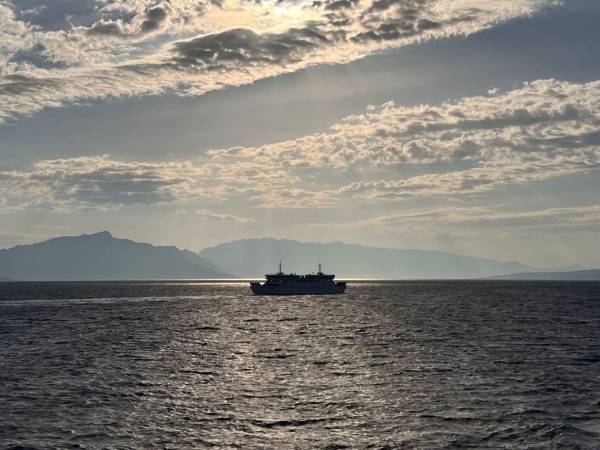
As we continue toward Split, we are now passing through the Brač Channel, the wide stretch of sea between the islands of Brač on your left and Šolta on your right. For centuries, this channel has been one of the main maritime corridors of central Dalmatia. Long before modern ferries, Roman merchant ships, Venetian traders, and local fishing boats navigated these same waters on their way to the mainland ports. The island on your left, Brač, is the largest island in the region and is famous for its bright white limestone. This stone has been used for centuries in construction across the Adriatic and even in famous buildings around the world. Many of the historic houses and palaces in Split itself were built from Brač stone. On the right lies the quieter island of Šolta, known for its olive groves, vineyards, honey, and traditional fishing villages. Unlike many Adriatic islands that developed large tourist resorts, Šolta has remained peaceful and authentic, preserving the slower rhythm of island life. The water you see here is part of the open Adriatic circulation, which helps keep the sea exceptionally clean and clear. On calm days, it’s possible to see several meters below the surface, and these waters are home to sea bream, octopus, dolphins, and many other species. This channel has always been a natural gateway to Split. For sailors arriving from the islands, this passage marked the final stretch before reaching the city’s harbor — just as it does for us today. As we continue forward, the mainland coast and the historic city of Split will soon begin to appear on the horizon.