Nidaros Cathedral





0
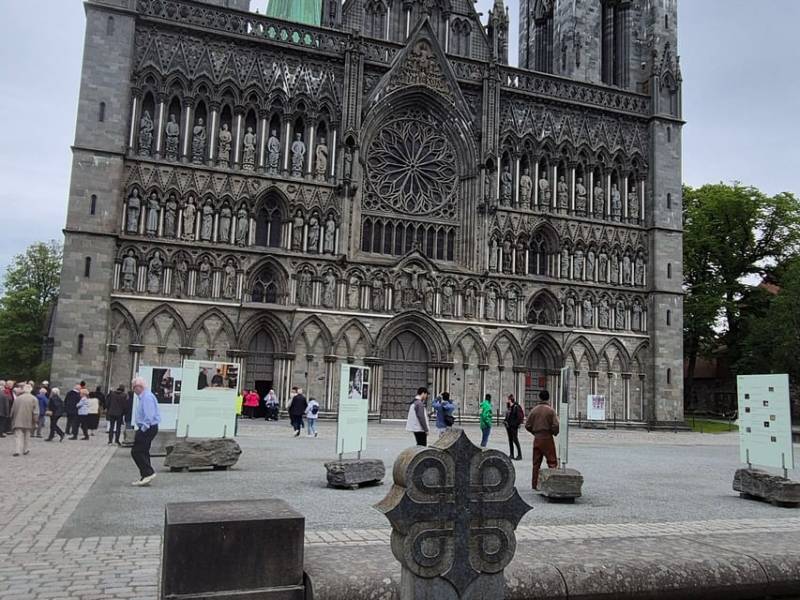
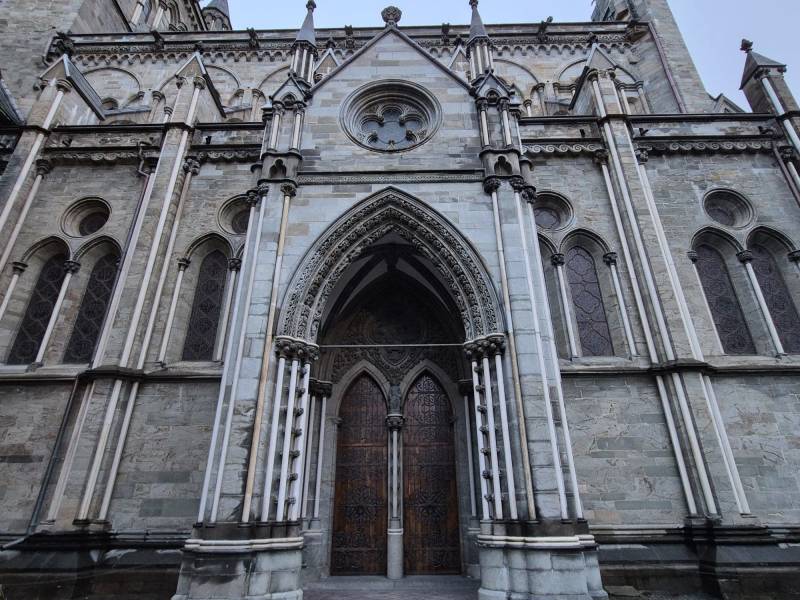
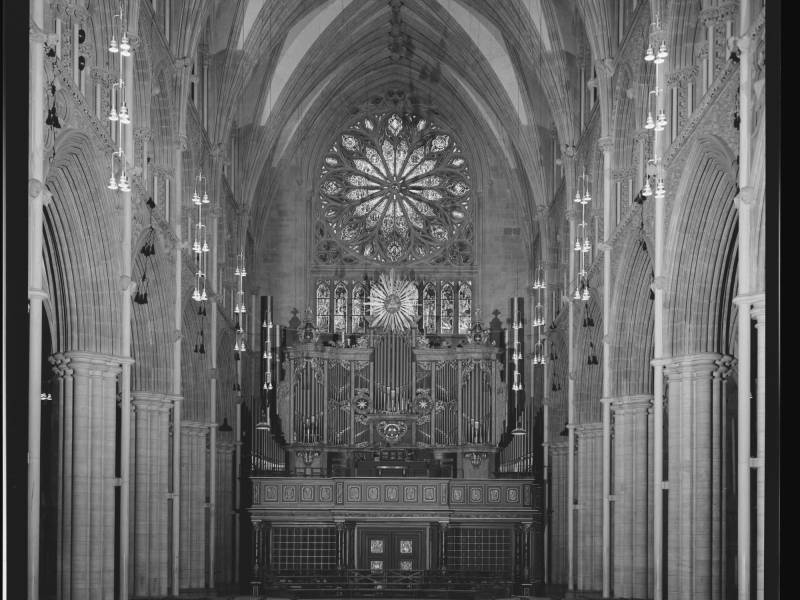
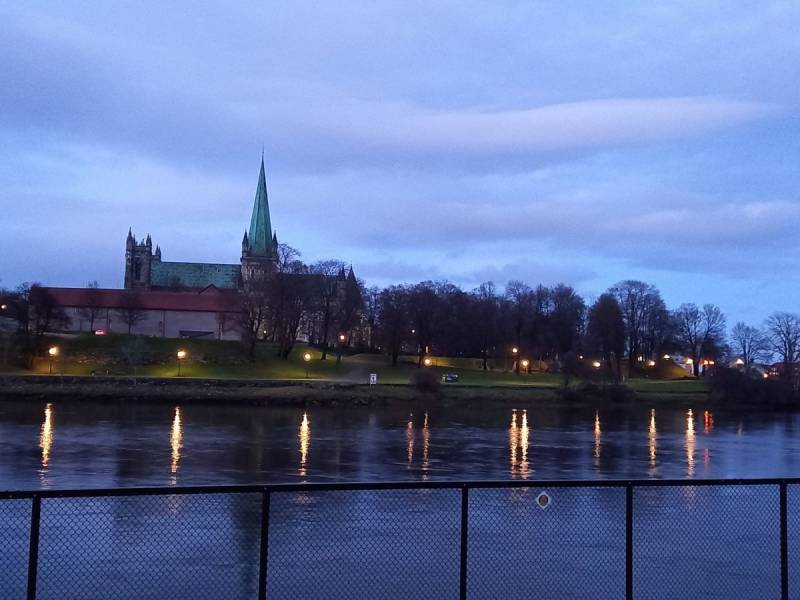
Nidaros Cathedral is Norway’s national sanctuary and one of the most important church buildings in the Nordic region. The cathedral is built over the final resting place of Olav Haraldsson, who fell at the Battle of Stiklestad in 1030. The following year, he was declared a saint, and his grave quickly became an important pilgrimage destination. In the Middle Ages, pilgrims came here from large parts of Northern Europe. Construction began around 1070. The earliest parts were built in Romanesque style, influenced by Anglo-Norman architecture. Later, especially after the time of Archbishop Øystein, the cathedral was expanded in Gothic style, inspired by English cathedrals. In the Middle Ages, Nidaros Cathedral was the archbishop’s church and the centre of the Catholic Church in Norway. After the Reformation in 1537, it became a Lutheran cathedral. The church has been damaged by several fires. After the fire of 1531, the nave stood for a long time as a roofless ruin. Restoration began in 1869 and became one of the largest building projects in Norwegian history. Nidaros Cathedral has also been used for royal coronations and, in more recent times, for the blessing ceremonies of Norwegian monarchs. In the Middle Ages, the cathedral was called Cor Norvegiae – the Heart of Norway. For many, it still is.