Brattøra





0
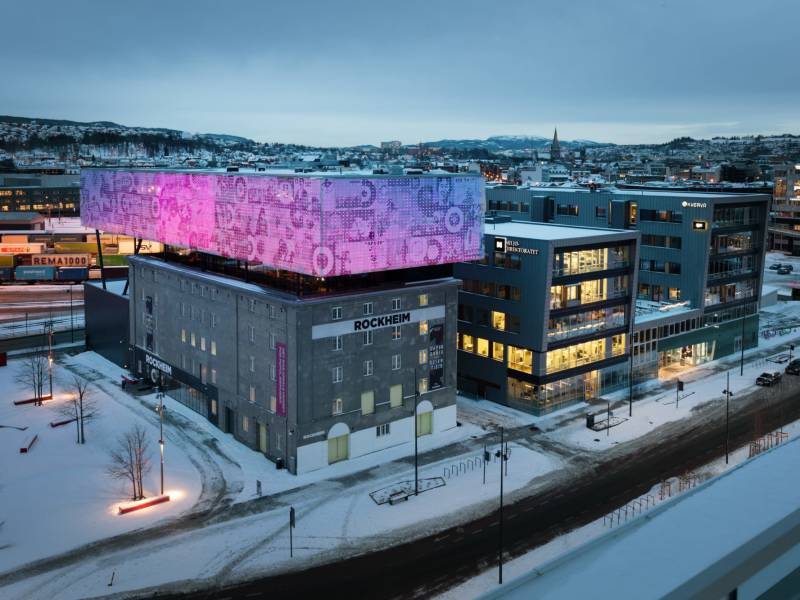
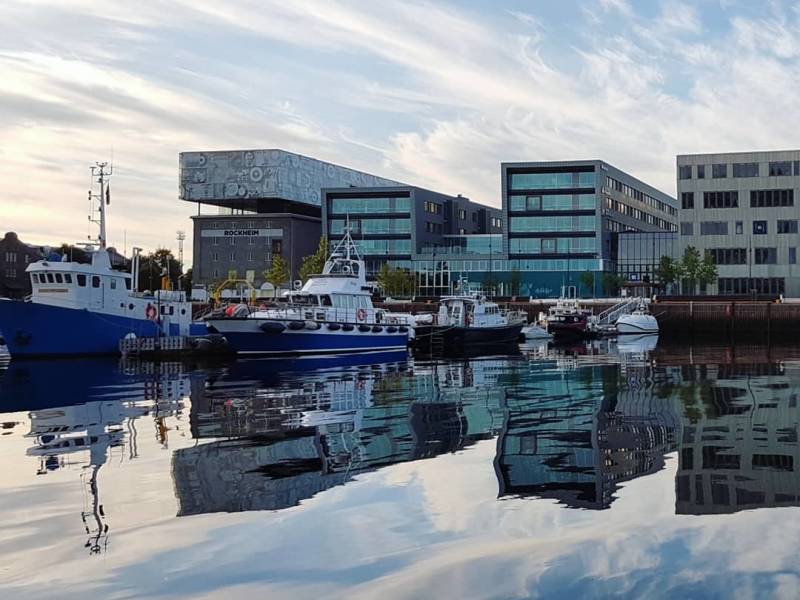
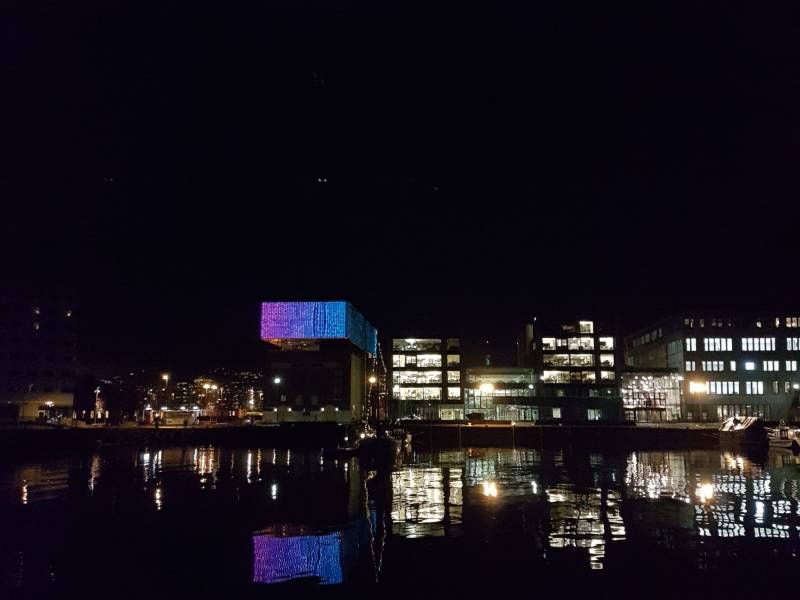
Brattøra is an area that has changed dramatically over time. Originally, this was not a modern city district at all, but a low-lying area of sandbanks, shallow water, and river deposits at the mouth of the Nidelva River. For a long time, parts of Brattøra were either under water or shaped by mudflats, sandbanks, and harbour activity. Gradually, through land uplift, filling, and dredging, the area became a larger and more important part of the city. In earlier times, Brattøra also had a strong symbolic role. This was the site of Øretinget, an ancient assembly where important decisions were made. The thing, or assembly, was a central institution in old Norwegian Viking society, both legally and politically. The area was also used as a place of execution, so Brattøra was connected to power, law, and punishment. At the end of the 19th century, Brattøra was completely transformed. City engineer Carl Adolf Dahl was behind major plans for a modern harbour and railway. Between 1878 and 1887, the seabed was dredged, and the area was prepared for new harbour facilities and a railway station. Today, Brattøra is a hub for transport, culture, and city life. Here you will find Rockheim, Norway’s national museum of popular music, and Pirbadet, one of the country’s largest indoor swimming facilities. In many ways, Brattøra tells the story of Trondheim in miniature: a city that has always lived with the sea – and has always kept rebuilding itself.