Munk's Island






0
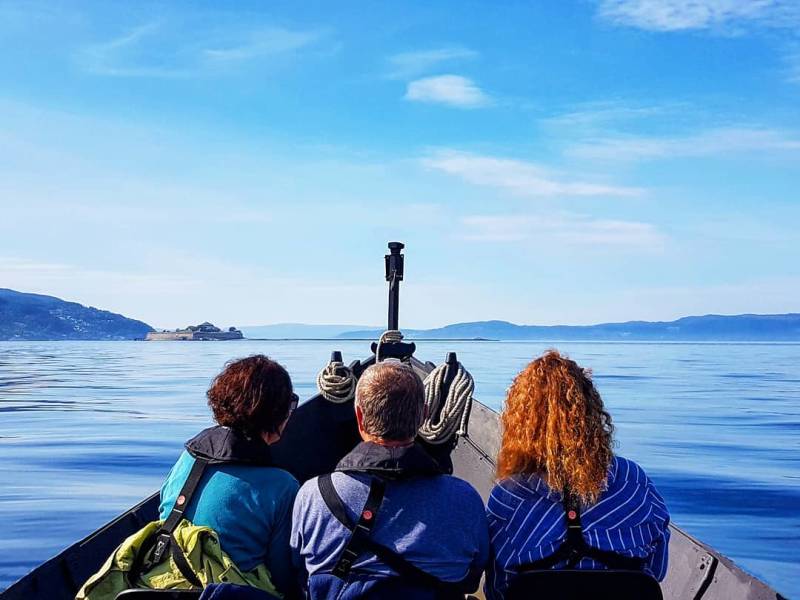
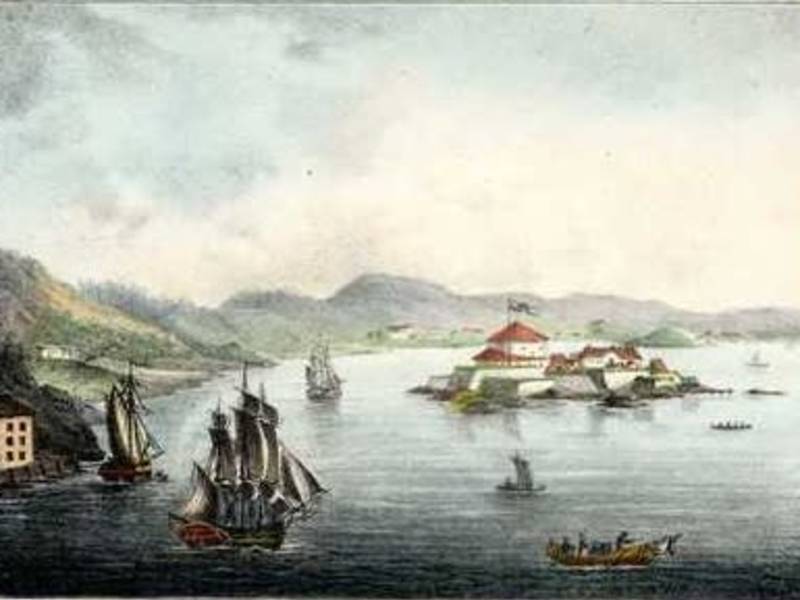
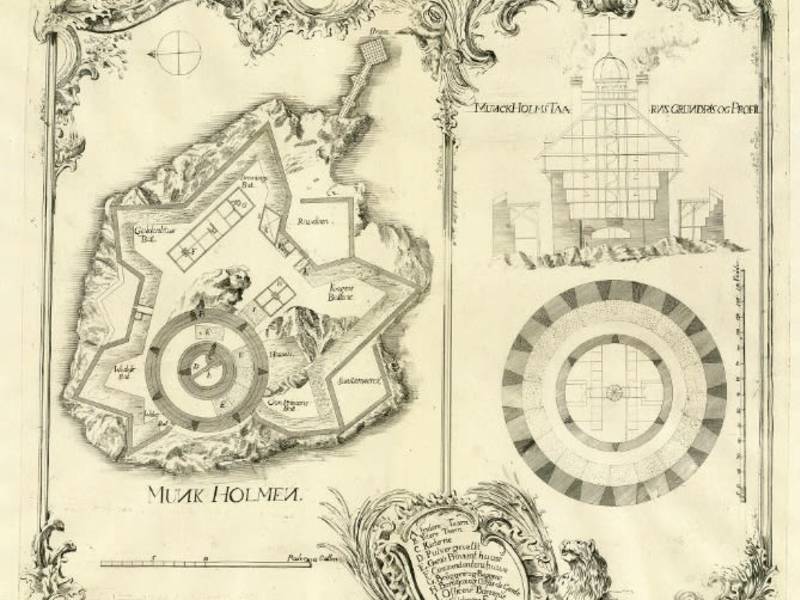
The island you can see out in the fjord is Munkholmen. Today, many people connect Munkholmen with summer, swimming, ice cream and boat trips. But the history of this small island is much more dramatic than the peaceful view might suggest. In the sagas, the island is called Nidarholm. As early as the 10th century, it was used as a place of execution. According to tradition, King Olav Tryggvason had the heads of Earl Håkon and his servant Kark placed on poles here in the year 995. This was a clear symbol of a change in power. Later, the island took on a very different role. In the Middle Ages, Nidarholm Abbey stood here. It was a Benedictine monastery and one of the oldest known monasteries in Norway. It remained in use until the Reformation. In the 17th century, the island was turned into a fortress, and the name Munkholmen came into use. Later, it was also used as a state prison. Its most famous prisoner was Peder Schumacher Griffenfeld, who was held here for 18 years. The French writer Victor Hugo was later inspired by this story when he wrote the novel The Prisoner of Munkholmen. During the Second World War, German forces took control of the island and built anti-aircraft positions here. So when we look at Munkholmen today, we see a peaceful little island. But we also see a place that has been an execution site, a monastery, a fortress, a prison and a military installation.