The Royal Observatory & the Prime Meridian
0
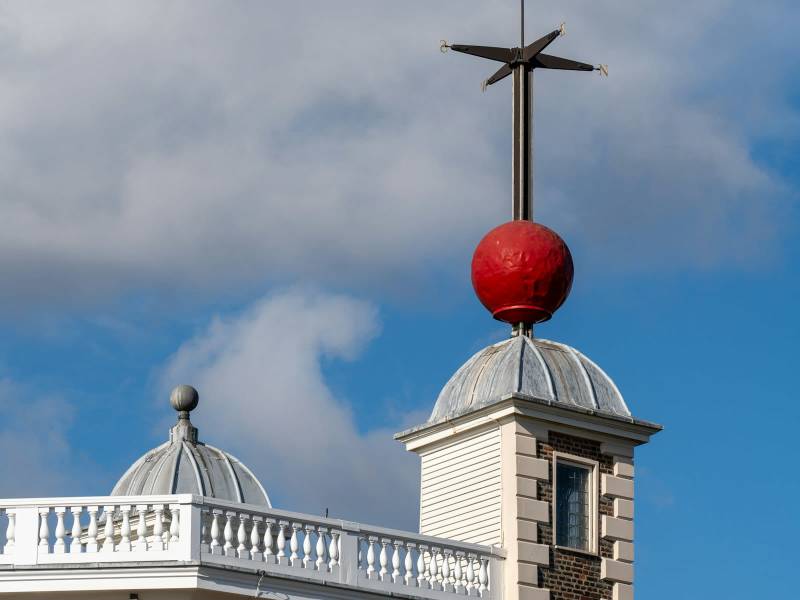
King Charles II founded the Royal Observatory in 1675 with one urgent job: to work out how ships could find their longitude at sea. Sailors could tell how far north or south they were from the sun and stars, but not how far east or west, and ships were wrecked because of it. The answer turned out to be time. If you know the exact time at home and the local time where you are, the difference tells you your position. John Harrison's sea clocks, which cracked the problem, are on display inside. In 1884 delegates from twenty-six countries met in Washington to choose one prime meridian for the whole world. They voted twenty-two to one for the line through this observatory, largely because most of the world's sea charts already used it. France abstained and kept its own Paris time until 1911. So every time zone on Earth is counted from here, including the times printed on every flight ticket you have ever held. One last thing. If you stand on the line in the courtyard and check the GPS on your phone, it will not say zero. Satellite systems put zero longitude about 102 metres further east. And look up at the red ball on the roof. Since 1833 it has dropped at exactly one o'clock every day, so that ships on the river could set their clocks.