Tate Modern
0
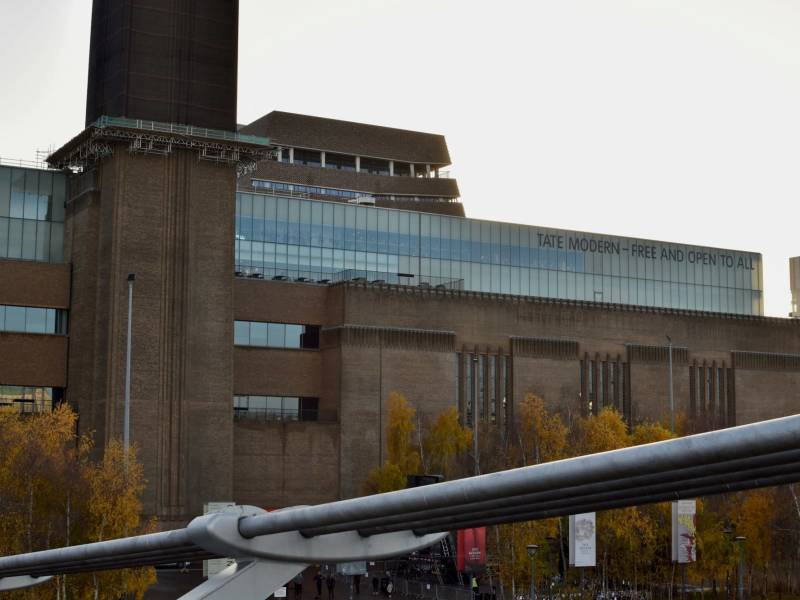
The huge brick building in front of you looks more like a factory than a museum. That's because it was a power station. Today it's Tate Modern, London's great gallery of modern art. Its architect was Giles Gilbert Scott, the same man who designed London's red telephone box. The power station went up after the Second World War, using more than four million bricks, and its river front stretches over two hundred metres. Look at the chimney in the middle. It's ninety-nine metres tall, and it was deliberately kept lower than the dome of St Paul's Cathedral across the river. Turn around and compare them for yourself. A power station was not supposed to outshine the cathedral. The station shut down in 1981 and stood empty for years. When it was turned into a gallery, the Swiss architects Herzog and de Meuron decided to change as little as possible. The old Turbine Hall became a vast indoor street, and the glass box along the roof is almost the only addition you can see from outside. The gallery opened in 2000 and is now the most visited art gallery in Britain. Next stop: the Millennium Bridge, right next door.